
Why HOATT Is a Website You Can Save as an App (PWA)

When people hear “platform,” they often assume “mobile app.” In Trinidad and Tobago, we have been trained to think that if something is serious, it must be in an app store.
HOATT took a different approach on purpose.
HOATT is built as a modern highly dynamic website that can be saved to your phone like an app using Progressive Web App (PWA) technology. That decision was not a compromise. It is aligned with how digital products are being built today and it supports HOATT’s mission: fast adoption, secure communication, privacy, and reliable information sharing across communities and institutions.
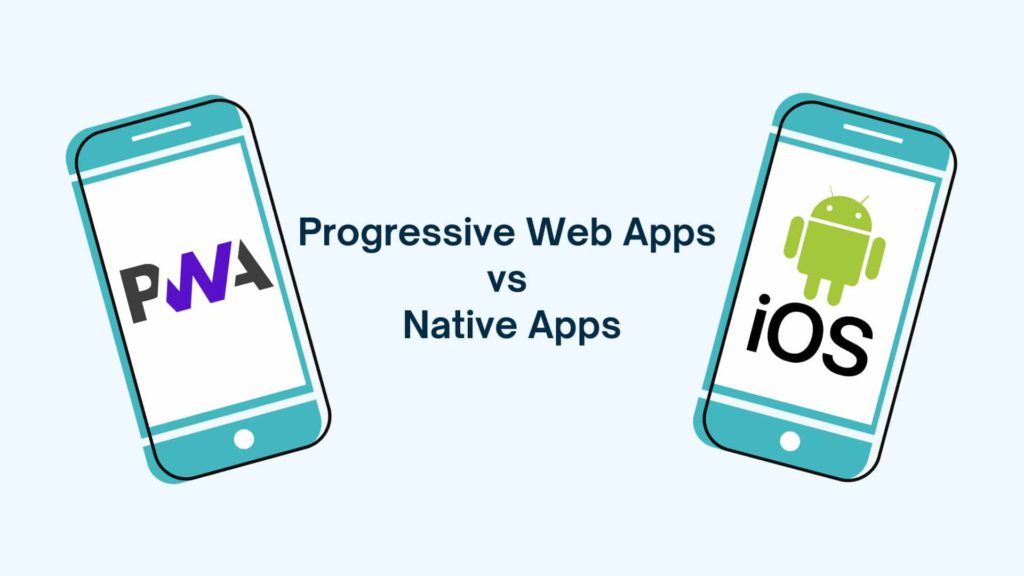
A PWA is essentially an application built with web technologies that can be installable, work offline in certain ways, and provide an app-like experience. (developer.mozilla.org)
The real goal is adoption, not downloads
HOATT exists to solve the exact problems communities face every day: fragmented communication, lack of verification, privacy risks, and important information getting lost in noisy chat streams. The fastest way to solve those problems is to reduce friction.
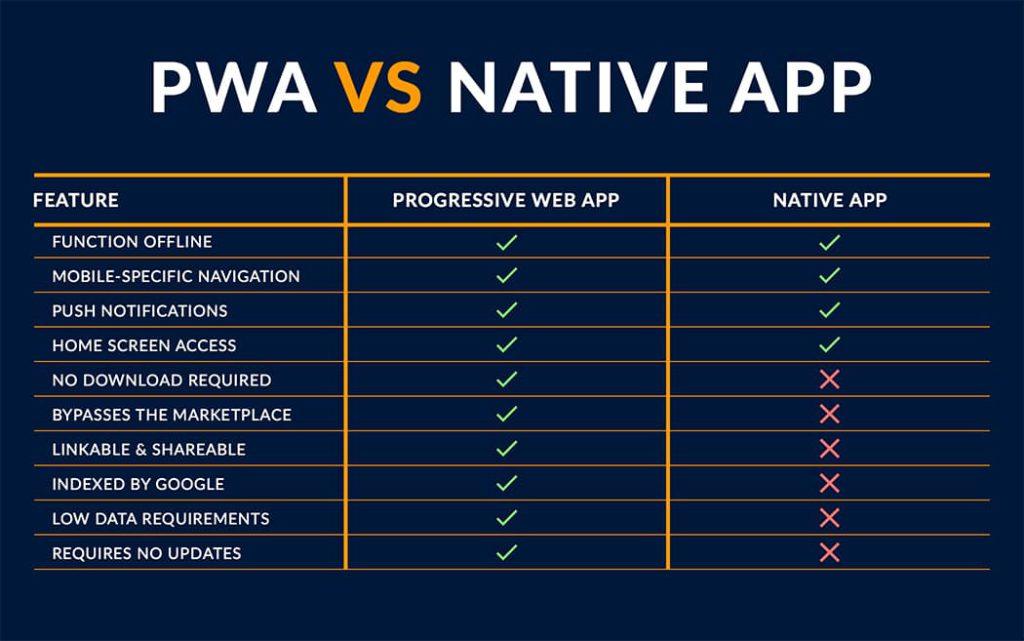
A traditional app introduces immediate friction:
- people must go to an app store
- download a large package
- accept permissions
- wait for approval cycles and updates
- keep storage space available
- deal with older versions when they ignore updates
A modern website avoids nearly all of that:
- click a link and you are in
- the latest version is always live
- onboarding is faster for less technical users
- it works across phone, tablet, and desktop without separate products
For HOATT’s early growth phase, ease of access matters more than app store presence.
A PWA gives “app convenience” without app store friction
PWAs were created to bridge the gap between websites and native apps. They can be installed to a device, run in a standalone window, and offer capabilities that feel app-like. (developer.mozilla.org)
For HOATT, that means residents can:
- open HOATT from a normal link
- save it to their home screen like an app
- launch it quickly without digging through browser tabs
- stay aligned on the latest version automatically
Apple itself documents the process of saving a website to the iPhone home screen, which makes it function like an app entry point for users. (support.apple.com)
Google’s own PWA guidance also covers “Add to Home Screen” installation flows. (web.dev)
PWAs match the realities of Trinidad and Tobago
HOATT is not built for a theoretical user. It is built for real communities and real constraints.
A PWA-first approach aligns well with conditions common in Trinidad and Tobago:
- limited storage on many devices
- data-conscious users who avoid large downloads
- mixed device ecosystems (Android, iPhone, desktop)
- users who prefer “send me the link” over “download the app”
- people who need speed and clarity, not another heavy app competing for attention
For a civic platform, “accessible to everyone” is not a slogan. It is an operational requirement.
Faster iteration is safer for civic infrastructure
HOATT is not a static product. It is living civic infrastructure that will evolve as communities and institutions use it.
A web-first approach allows HOATT to:
- ship improvements faster
- fix issues immediately when needed
- respond to community feedback without app store delays
- reduce fragmentation caused by users remaining on older versions
This matters for platforms built around trust, privacy, and clear communication. When you are dealing with community safety, reports, tickets, and verified groups, shipping updates quickly and safely is a major advantage.
HOATT is designed for logs, searchability, and structured communication
“From WhatsApp to HOATT” is clear about the core issues: WhatsApp has no verification, no proper escalation path, and no durable, searchable record. HOATT is built to fix that. (HOATT)
A website plus PWA approach supports those priorities:
- durable information logs
- search and retrieval over time
- structured content, not ephemeral chat
- reliable access across devices
- easier institutional access (many agencies operate on desktop first)
This is one of the most overlooked advantages: native apps are not automatically better for serious information management. Structure, searchability, and governance are product design outcomes, not app store outcomes.
What about push notifications and device features?
PWAs can support advanced capabilities, including offline behaviors and push notifications, though support varies by platform and browser. (developer.mozilla.org)
HOATT’s strategy is to build on a standards-based foundation first. Where platform limitations exist, we design around them responsibly rather than forcing an app build too early.
It is also worth noting that Apple’s handling of web apps has had platform-specific complexity, including changes in the EU around iOS 17.4 that affected home screen web app functionality. (MacRumors)
This is another reason HOATT’s approach is pragmatic: we build for broad accessibility first, then expand into platform-specific enhancements when scale justifies it.
A traditional app is still on the table, at the right time
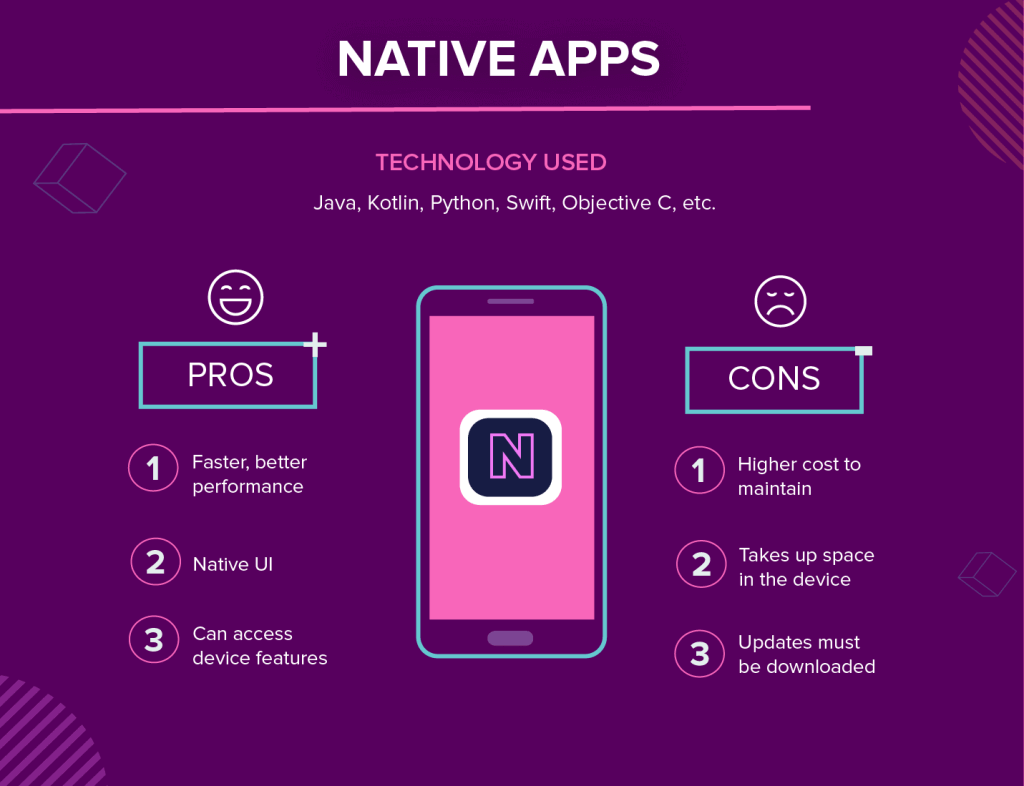
HOATT is not anti-app. A traditional app may become valuable as the platform grows and needs deeper device integration, stronger push notification consistency, or app store discovery.
The difference is sequencing.
HOATT is choosing to earn adoption first through a low-friction web platform, then introduce native apps when:
- the user base is large enough to justify it
- the feature set clearly benefits from native integration
- ongoing funding supports long-term maintenance of multiple codebases
If and when HOATT ships a native app, the foundation is already in place. In fact, on Android, PWAs can be wrapped for distribution via Trusted Web Activities, which is a documented path for publishing a PWA-based app experience in the Play Store. (Android Developers)
The bottom line
HOATT chose a website and PWA model because it best supports the mission right now:
- fastest possible access for every resident
- less friction, faster adoption
- one platform that works everywhere
- instant updates and continuous improvement
- strong foundation for privacy, verification, and structured civic communication
Native apps may come later, but HOATT’s priority today is building a national digital space that communities and institutions can actually use, trust, and grow with.








some instructions would be nice. maybe a part 2?