
The Updated Reality of Traffic Fines in T&T

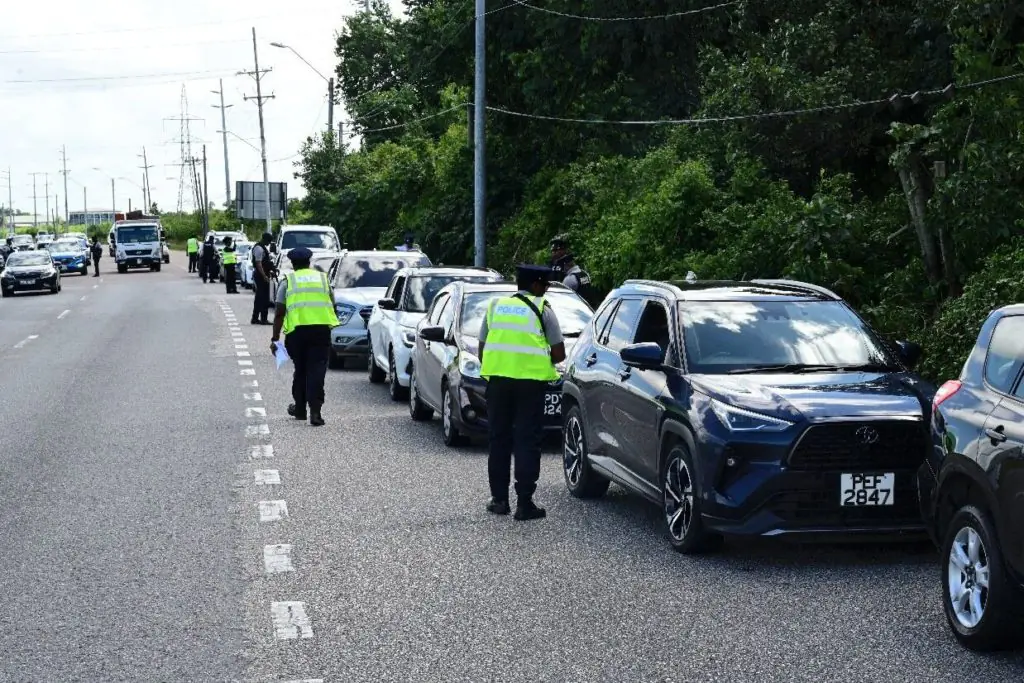
Traffic fines in Trinidad and Tobago have increased significantly, and in many cases the practical impact is far greater than the headline numbers suggest. While public attention has focused on individual ticket amounts, the more consequential change is how traffic enforcement now works in practice.
Today’s system combines higher base fines, automatic escalation for non-payment, and administrative sanctions that can restrict licensing transactions. At the same time, the long-discussed demerit points system has not disappeared entirely. Instead, it has been narrowed and now applies only to a small number of serious criminal driving offences.
This article explains what changed, what stayed, and how the current framework actually affects drivers.
Why Traffic Fines Were Increased
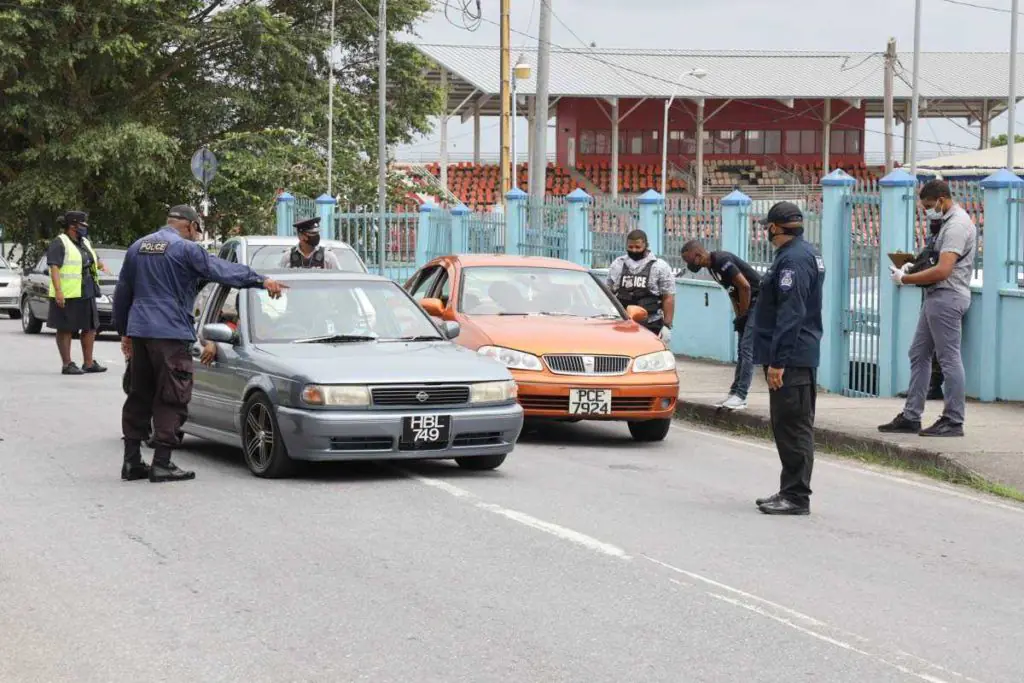
The stated justification for the increases is deteriorating driving behaviour and persistently high road fatalities. Speeding, distracted driving, illegal tinting, dangerous overtaking, and disregard for traffic signals have become commonplace. Authorities and road-safety groups argue that previous fines had lost deterrent value due to inflation and inconsistent enforcement.
Higher penalties are therefore framed as a deterrence reset rather than a revenue measure. Critics counter that enforcement alone cannot compensate for poor road design, inadequate signage, limited public transport, and uneven policing. That criticism remains valid. However, the policy direction is now clear. Compliance is being enforced through financial pressure and administrative consequence.
The Legal Framework Now in Force
Traffic enforcement is governed by the Motor Vehicles and Road Traffic Act, Chap. 48:50, supported by subsidiary regulations and recent amendments to the Ninth Schedule.
Earlier reforms proposed a broad demerit points system across many traffic offences. That approach was later scaled back. Most routine traffic violations no longer carry demerit points, but six serious criminal offences still do. For the majority of drivers, enforcement is now primarily financial and administrative rather than points-based.
The authoritative offence list and base penalties remain published in the Government’s Ticketable Road Traffic Violations and Offences schedule available here however, this needs to be updated and we will update the article accordingly.
Selected Traffic Offences, Current Fines, and Legal Authority
Table 1: Selected ticketable traffic offences in Trinidad and Tobago, showing current fixed penalties and their legal basis under the Motor Vehicles and Road Traffic Act and related regulations. Figures exclude escalation for late payment or court-imposed sanctions.
Fine Escalation Is the Primary Enforcement Lever
With demerit points removed from most offences, automatic fine escalation has become the system’s main compliance mechanism.
Once a fixed-penalty ticket is issued:
- The driver has 30 days to pay the base fine
- Failure triggers a 25 percent increase
- Continued non-payment triggers a 50 percent increase
- Administrative sanctions may follow
Example: Mobile Phone Offence
| Stage | Amount Payable (TTD) |
|---|---|
| Original fixed penalty | 2,000 |
| After first escalation | 2,500 |
| After second escalation | 3,000 |
If the escalated fine remains unpaid, the Licensing Authority may suspend the driving permit or block vehicle-related transactions until payment is made. Court involvement is not required for this step.
Administrative Sanctions Have Replaced Point-Based Discipline for Most Drivers
For routine offences, enforcement now relies on:
- Rapid financial escalation
- Permit suspension for unpaid fines
- Blocking of licence or vehicle transactions
- Eventual court action if non-compliance continues
This approach prioritizes immediate compliance over long-term behavioural tracking. It is simpler and faster, but also more financially punitive, particularly for lower-income drivers.
Where Demerit Points Still Matter
While no longer central to the system, demerit points remain in force for six serious criminal driving offences, including careless driving and impaired driving offences.
For these offences, drivers may still face:
- Court proceedings
- Demerit points recorded against the permit
- Licence suspension or disqualification under existing thresholds
For most motorists, demerit points will never come into play. However, for serious offences, they remain a consequential part of the legal framework.

Will Higher Fines Improve Road Safety?
International evidence suggests that fines alone produce short-term compliance rather than lasting cultural change. Sustainable improvement requires:
- Predictable and fair enforcement
- Road engineering and signage improvements
- Functional public transport alternatives
- Driver education and rehabilitation
Without these, high fines risk being perceived as punitive rather than corrective. That concern is particularly relevant in Trinidad and Tobago, where infrastructure quality and enforcement consistency vary widely.
What higher fines can and cannot fix
Arrive Alive’s core argument is hard to dismiss: higher fines alone do not automatically produce safer roads without predictable enforcement and broader road safety strategy.
At the same time, the Government’s position is that the scale of non-compliance required a deterrence reset.
Both can be true.
If enforcement is inconsistent, high fines become a lottery. If enforcement is aggressive but sloppy, high fines become a trust problem. If enforcement is consistent and professionally executed, higher penalties can meaningfully shift behaviour, at least in the short term.
Practical guidance for motorists now
- Treat a ticket as a timed financial liability, not a casual fine
- Pay or contest within the specified timelines
- Avoid stacking violations in a single stop, because stacking is how people end up with five-figure totals
- Understand that administrative sanctions can escalate the consequences beyond money
- Recognise that demerit points still exist for six criminal offences and can still affect your driving permit status
Legal Citations Per Offence (Summary)
- Illegal tint: MVRT Act, Chap. 48:50, s.23(1)(d)
- Mobile phone use: MVRT (Mobile Devices) Regulations, r.4
- Speeding: MVRT Act, s.62(1)
- Insurance offences: Motor Vehicles Insurance (Third-Party Risks) Act, s.3
- Priority Bus Route: Special Roads (Traffic) Regulations, r.2
- Careless driving: MVRT Act, s.72
- Alcohol and drug offences: MVRT Act, ss.70–70C
- Driving while disqualified: MVRT Act, s.42
Looking forward
Trinidad and Tobago’s traffic enforcement framework has shifted decisively. For most offences, the system now relies on high fines, rapid escalation, and administrative pressure. Demerit points remain, but only at the margins, reserved for serious criminal driving behaviour.
For drivers, the message is clear. The cost of non-compliance has risen sharply, and the system is designed to move quickly. Understanding how it works is no longer optional. The system now escalates financially rather than cumulatively. Inaction is expensive.
View or Download the Ticketable Road Traffic Violations/Offences below:
REFERENCES
Government of the Republic of Trinidad and Tobago. (2020). Ticketable road traffic violations/offences. Ministry of Works and Transport.
Government of the Republic of Trinidad and Tobago. (2025). Legal Notice No. 471 of 2025: Motor Vehicles and Road Traffic (Amendment to the Ninth Schedule) (No. 3) Order, 2025. Government Printer.
Ministry of Works and Transport. (2017). Motor Vehicles and Road Traffic (Amendment) Act No. 9 of 2017. Government of the Republic of Trinidad and Tobago.
Newsday. (2026, January 7). Lawless driving worse than we thought.
Newsday. (2025, December 27). Traffic penalties to double in January: Arrive Alive says fines alone won’t save lives.
CNC3. (2026). Some traffic fines cut due to legal limits but others rise.
Trinidad and Tobago Guardian. (2026). New ticket fines.
Trinidad Express. (2026). You now pay $2,000 for these traffic offences.
Trinidad Express. (2026). Demerit points remain for six offences.
World Health Organization. (2018). Global status report on road safety. WHO Press.







Responses